The physical setting
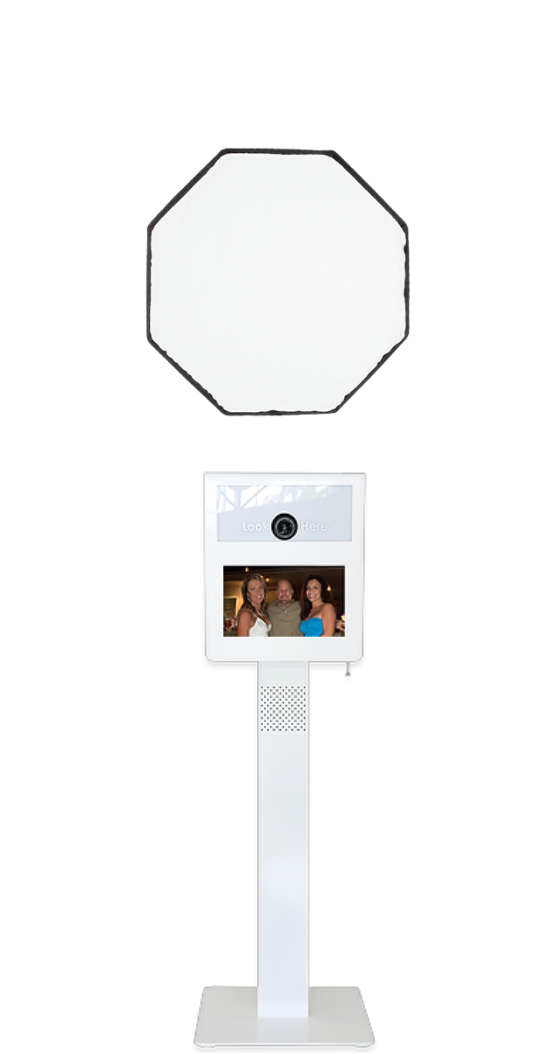
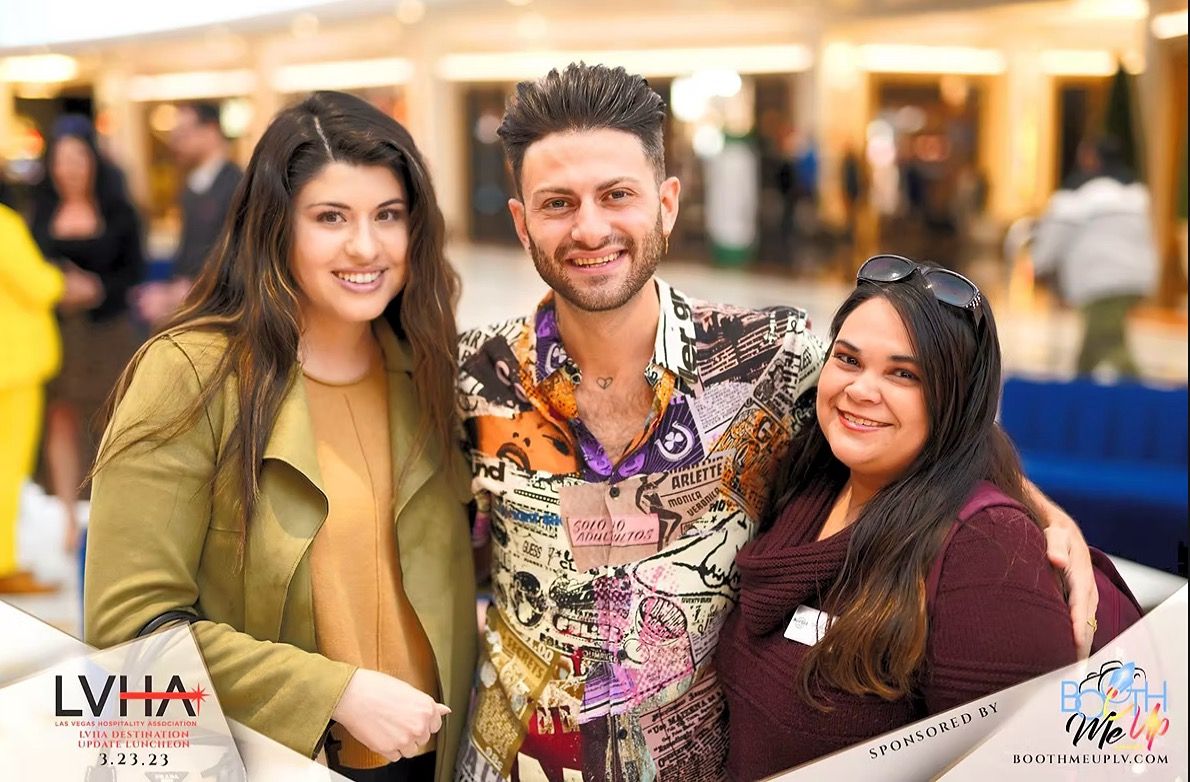
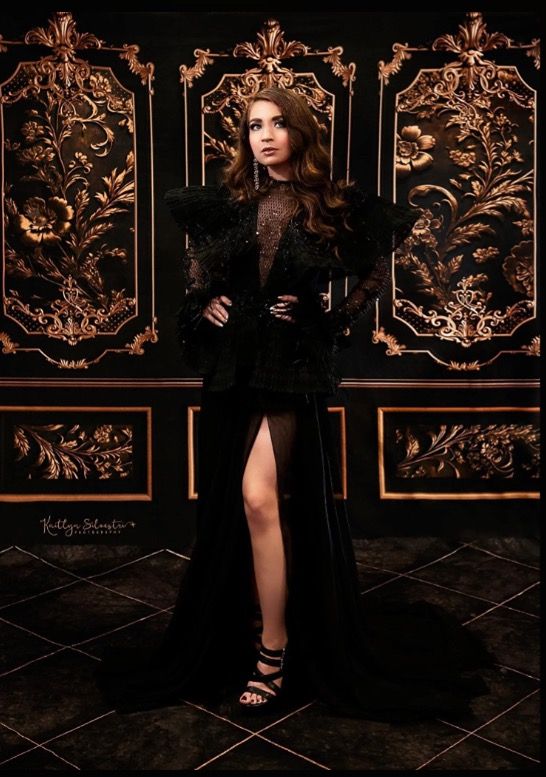
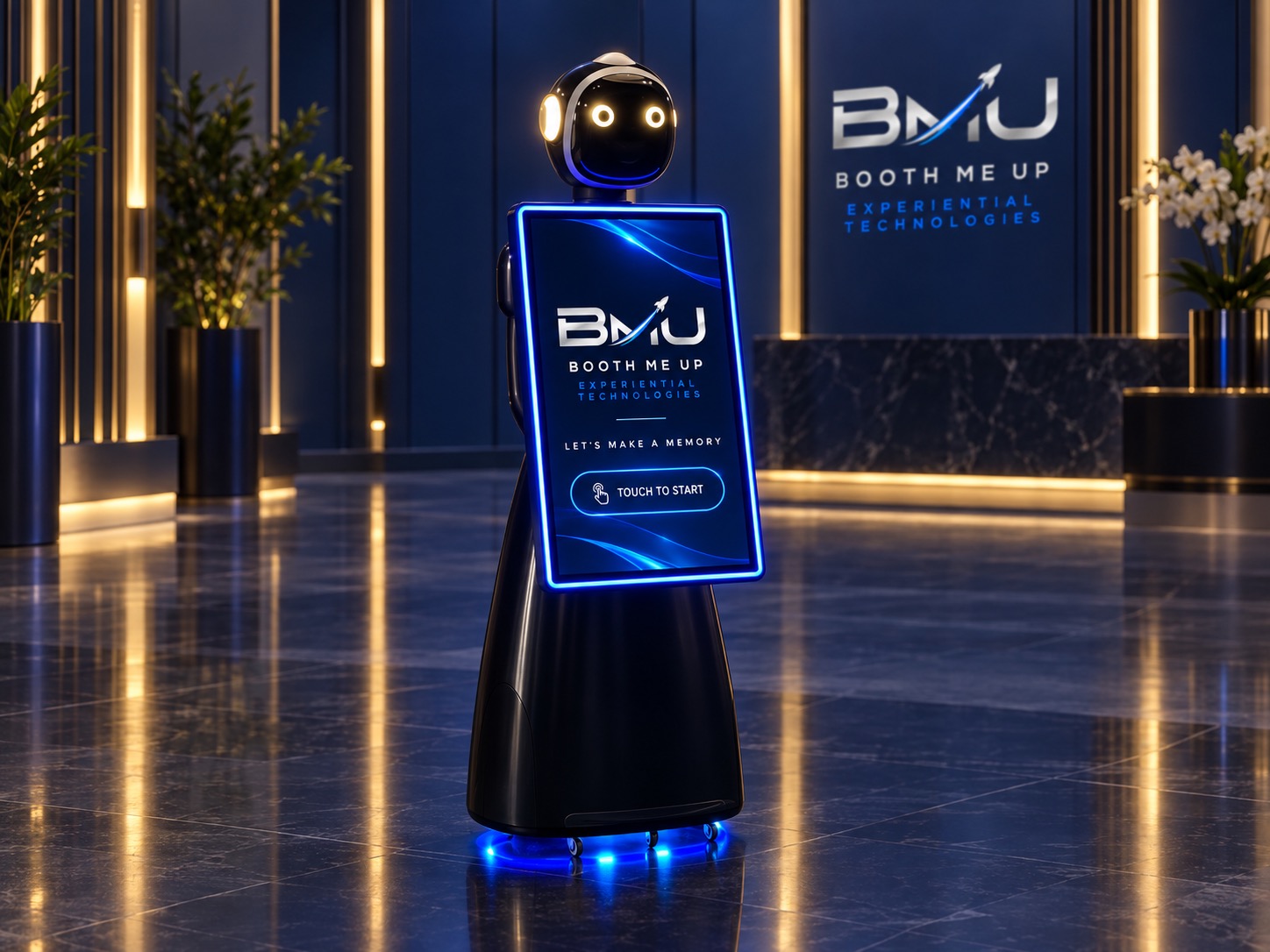
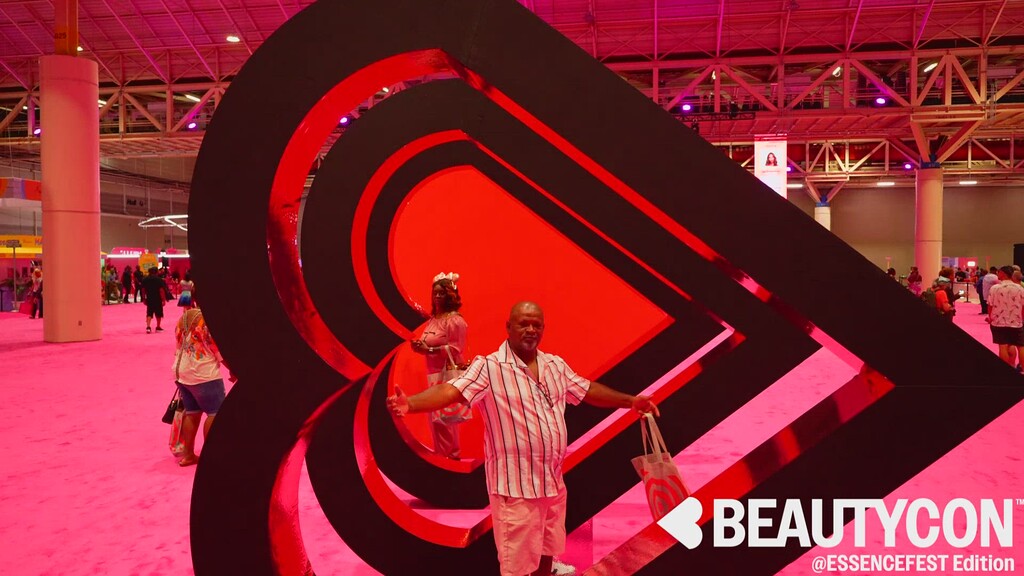
A constructed set, a booth and a roaming photographer use space differently. Start with the room and the largest group.
Entering

For planners, agencies & brand teams
Turn the idea into a production plan. Compare the guest experience, shape the creative and know what to confirm before show day.
From first idea to final takeaway · Planning field guide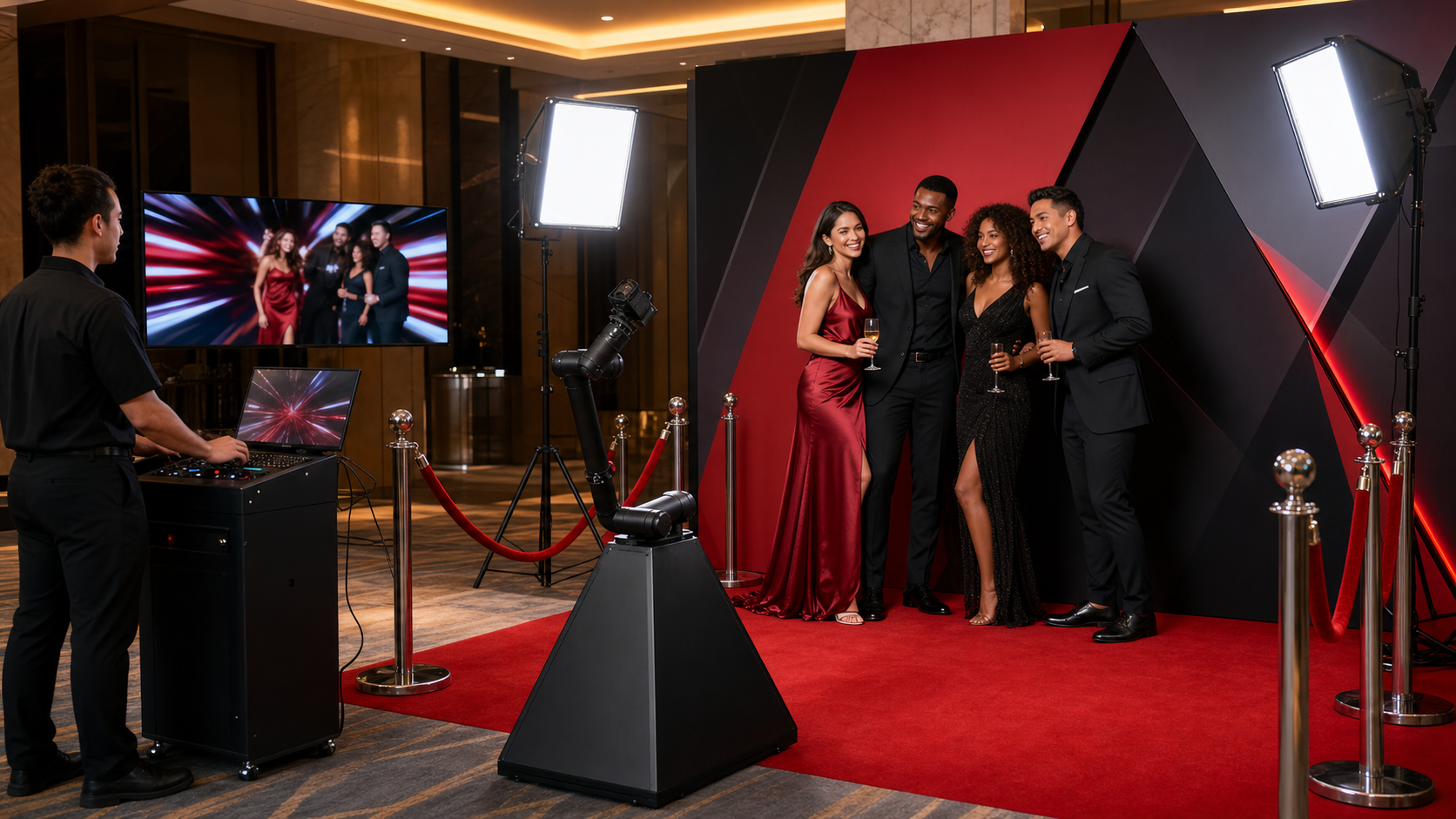
Start with what guests do, feel and keep.
Align the creative, room and participation window.
Agree delivery, permissions and useful reporting.
Start with the result
A constructed set, a booth and a roaming photographer use space differently. Start with the room and the largest group.
Keep an original portrait, add a branded overlay or choose an AI transformation. Digital delivery does not mean the image was generated.
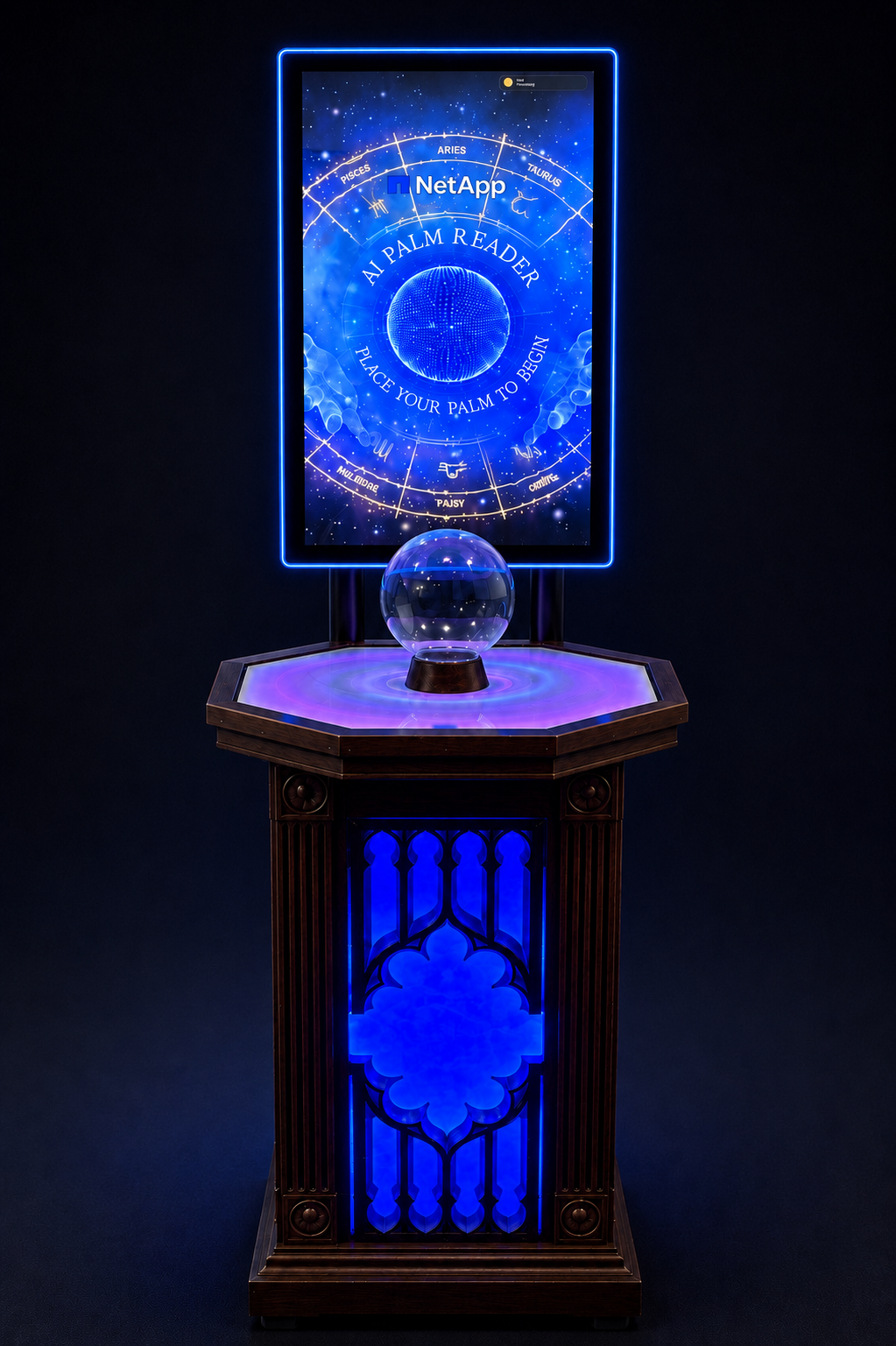
Choose the photo, film, card, sketch or reading guests keep. Printed objects and digital files have separate finishing requirements.
Decide how guests receive content and how your team handles any lead capture. Original-photo recognition is different from AI generation.
Compare the experience
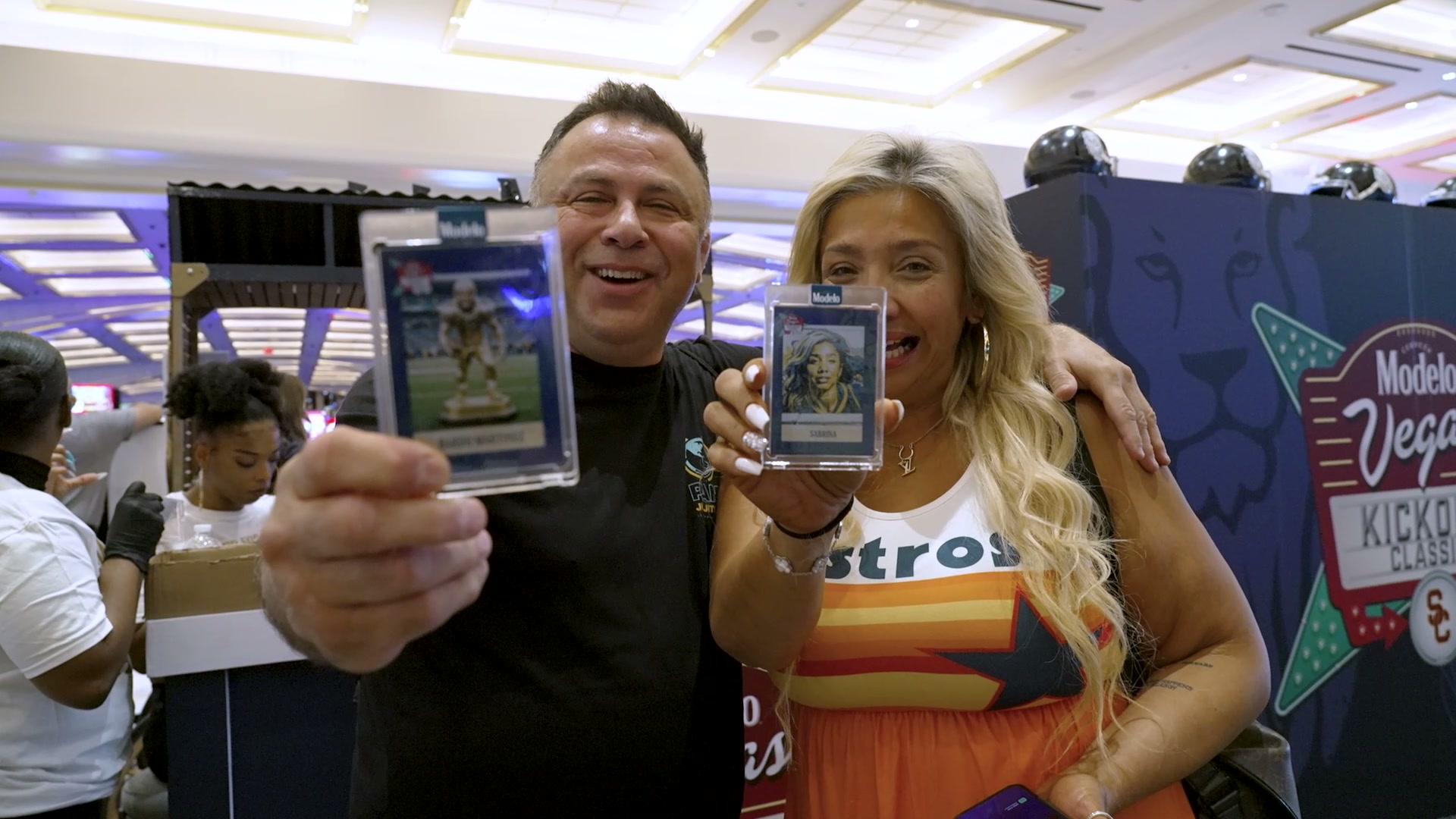
Both create a collectible. The difference is what happens to the guest’s portrait before it becomes a card.
Compare the experience
Choose how guests participate, then decide how the photographs should be delivered.
Compare the experience
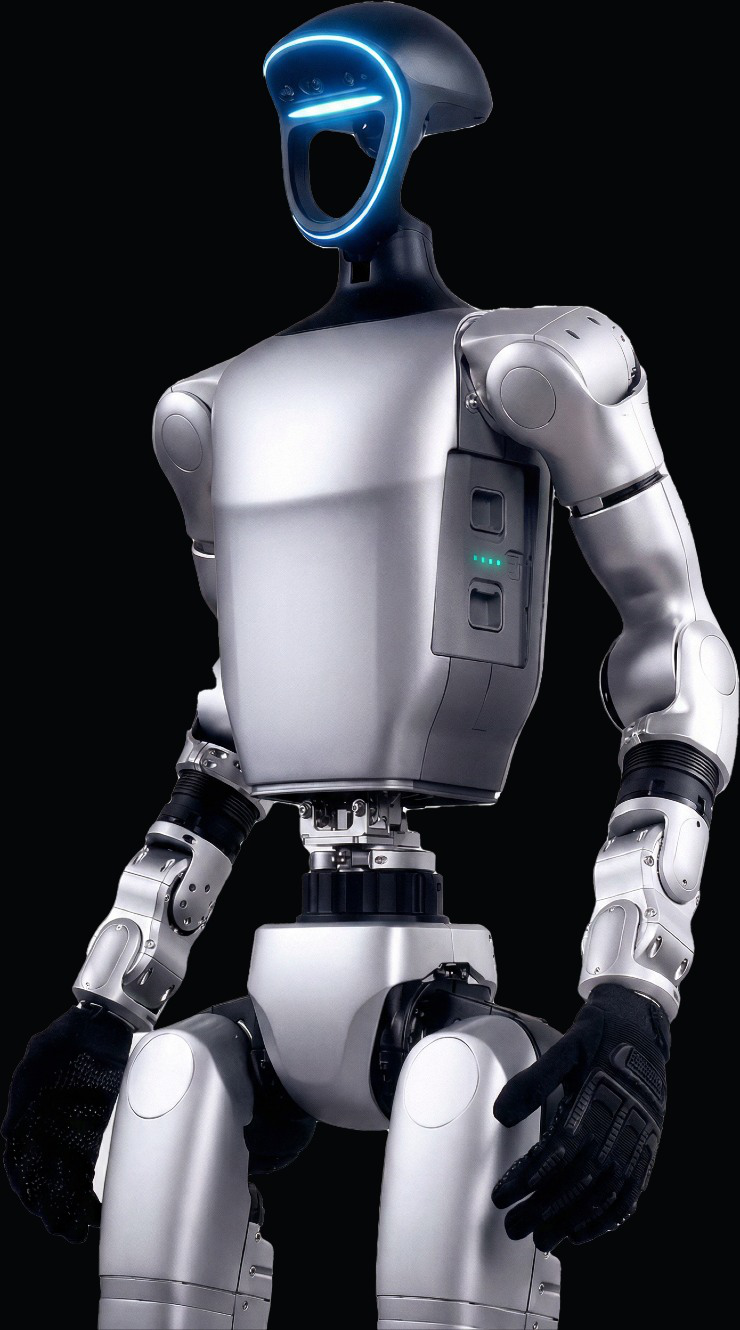
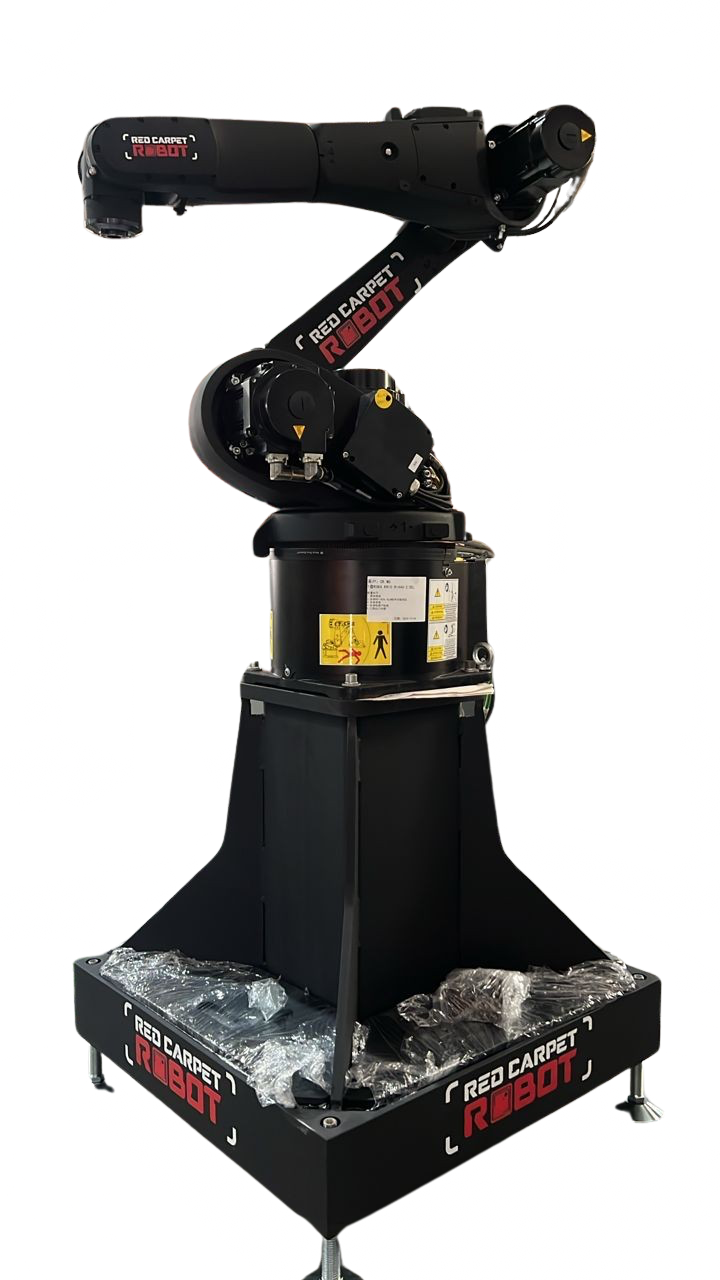
Photo capture, guest interaction and robotic camera movement are different experiences. Start with the role you want in the room.
Build a connected calendar with a familiar production team and a scope agreed in advance.
Link to this guideA monthly payment schedule can support quarterly or seasonal events. Confirm the actual event allocation, term, production scope and booking requirements together.
A portrait station, an AI trading-card activation and a cinematic robot use different resources. Agree selected formats and any upgrade pricing instead of assuming that every event is interchangeable.
Identify client accounts, brand approval owners, white-label needs and how the production team communicates with your stakeholders.
Include creative preparation, crew, show hours, consumables, AI usage, travel and review time. Document changes, rollover and overages before work begins.
Compare the complete guest experience, from creative development to the finished takeaway.
Link to this guideCustom creative, programming, equipment preparation, staffing, transport and installation are part of the production. A shorter guest window does not reduce every cost in the same proportion.
Confirm whether a quote includes capture, branded artwork, printing, finishing materials, collection, setup and removal. A manufactured giveaway and a personalized live activation involve different work.
Tell us your overall budget range, expected participation and must-have outcome. We can evaluate the format, customization, operating window and physical output together.
A longer participation window can improve access to a custom experience. If every guest needs a takeaway in a short break, we will scope capture and finishing capacity around that requirement.
Define exactly what guests take home and which parts carry the brand.
Link to this guideDiscuss cards, magnets, keychains or other custom formats as a production brief. Material sourcing, quantities, finishing and the approval timeline determine which options fit.
For a playing-card concept, confirm whether customization appears on the cards, the box or both. A branded card deck is a different deliverable from an individual portrait trading card.
Confirm whether guests are photographed onsite or supply an existing image, and whether that image is printed, transformed or engraved. The capture and production workflow must support the chosen material.
Review the object, dimensions, image treatment, finish and packaging before production. Concept renderings explain a direction; the approved sample and proposal define what will be delivered.
Start with the available floor area and the result you want guests to receive.
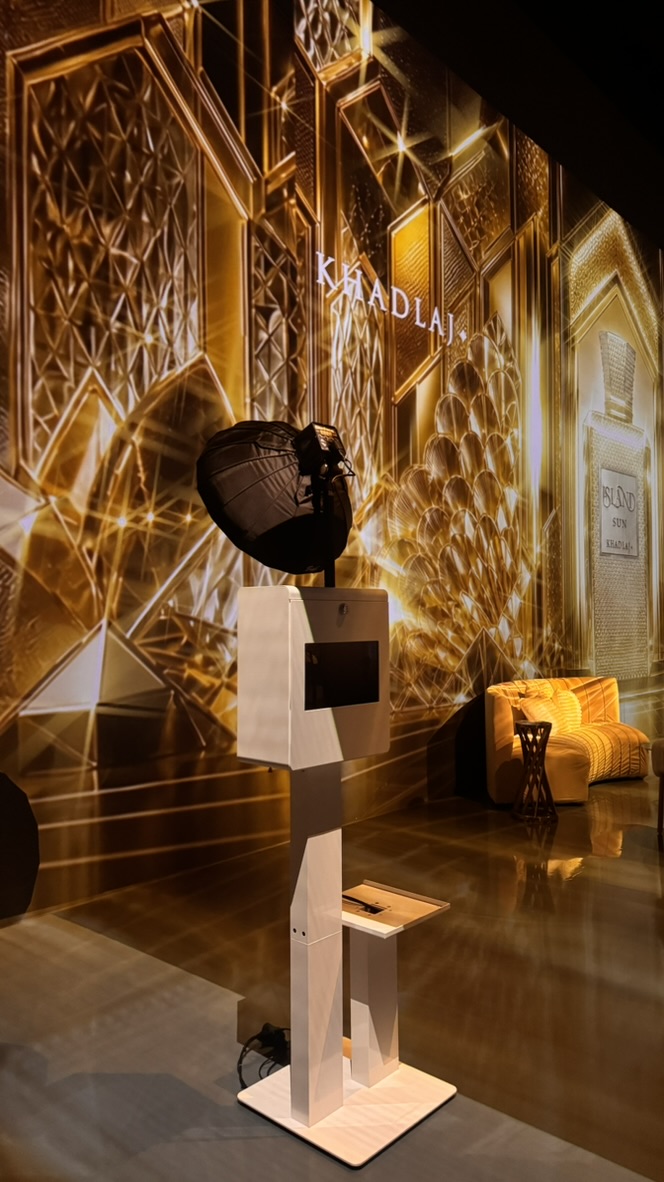
Link to this guideA roaming photographer captures the people and atmosphere around the event. An AI station provides a dedicated interaction that transforms a guest portrait. These are different experiences even when both deliver to a phone.
Photo recognition helps route captured photographs to the right guest. It does not automatically transform that guest into an AI character. Confirm image treatment and delivery as separate choices.
Share photographs and dimensions of the available space. A compact station may avoid a traditional backdrop, but guest approach, capture distance, lighting and safe circulation still need to work.
Name every brand approver and review the sample treatment, logos and guest message together. AI processing takes time; the confirmed workflow should explain when guests receive their result and whether they can return to the event meanwhile.
Approve every guest-facing surface before production.
Link to this guideSupply approved logos, colors, fonts, exact wording and references. Tell us who gives final creative approval.
Review hardware or scenic branding, welcome and capture screens, finished output and delivery pages separately. Some surfaces have fixed elements; others need custom fabrication.
Review the actual print size, front/back layout, crop and digital format. A screen mockup alone does not establish print margins or finishing.
Confirm the artwork deadline and the effect of later changes on printing, fabrication and testing.
Plan the whole operating area, including the space around the equipment.
Link to this guideMark the proposed installation, largest group, audience approach, queue and output collection point. Include any existing backdrop or scenic structure.
Provide loading instructions, dock or marshalling requirements, door and elevator restrictions, setup windows and staff passes.
Confirm power locations and the selected experience’s connectivity needs. Share venue restrictions so the production team can plan a suitable connection.
Allow installation, calibration, a branded test and staff briefing before the guest-facing start time. Send insurance requirements and venue contacts early.
Start with the people you want to serve, then plan each stage of the experience.
Link to this guideTotal attendance and expected participants are different. Tell us whether every guest needs an output or whether the experience is optional.
Identify busy arrivals, breaks and peak periods. A short rush can need more capacity than the same audience spread across a day.
Capture, generation, printing, cutting, casing and pickup can have different timings. Card and sketch production need more than a camera station.
Your producer will confirm station count and staffing around the approved treatment. Capacity belongs to a specific configuration, not a universal product promise.
Separate guest hours from installation, overnight arrangements and removal.
Link to this guideInclude setup, guest operation, breaks and strike. Call out whether equipment stays overnight or must be removed each day.
For a tour, provide addresses, access details, transport windows and local contacts. Do not assume one venue’s operating plan fits the next.
Confirm which graphics stay the same and which change by sponsor, location or event date. Review consumables and replacement needs.
Name the onsite decision-maker and the process for reporting changes. A repeat event should carry forward approved creative while rechecking logistics.
Decide what guests receive and what your organizing team needs afterward.
Link to this guideChoose prints, digital photos, films, cards or readings. Confirm whether guests collect an output onsite or receive it after processing.
Guest photo delivery and marketing opt-in serve different purposes. If your team uses badge scanners, agree where that step sits in the journey.
Ask which measures are available for the selected setup. Sessions, files, prints, shares and unique participants are different measures and should be labeled separately.
Separate individual guest links from the organizer’s bulk download. Confirm who receives the collection, when it will be ready, its availability period and any edited selections. Reports should state the event window, snapshot date and any delivery methods the platform cannot track.
Give the guest a destination, then make the result unmistakably yours.
Link to this guideDestination Informatica used a branded travel portrait. Databricks Company Kickoff FY27 used AI travel postcards, while its 2026 GTM Leadership Offsite paired adventure portraits with AI video.
Review destination scenes, campaign identity, stamps, dates and original/result examples. A depicted destination is part of the creative; it does not identify where the event took place.
Confirm the largest group and test the selected transformation with representative participants. Keep the original capture available for comparison during approval.
A postcard-style image may be delivered digitally or as a physical print. Confirm printing, collection and any animated version in the production scope.
Build the photo experience into the venue's everyday guest journey.
Link to this guideThe Woodie installation at Covale shows a venue-based experience with an ongoing gallery and an occasion-specific collection. Plan the booth position, visibility and guest approach around the room.
Name the people responsible for opening checks, guest assistance, consumables and support escalation. Confirm servicing and access outside guest hours.
Set a process for venue branding, seasonal artwork and event-specific galleries. Decide who approves each change and when it goes live.
Confirm installation duration, power, connectivity, content access, support and eventual removal. These requirements differ from a single event rental.
Give your team a clear production partner and your client a consistent experience.
Link to this guideConfirm who owns creative approval, fabrication, venue coordination, guest guidance, lead conversations and the final content handoff.
Share your exhibit renders and dimensions. We can discuss how capture, signage and collection fit the audience flow.
Identify which materials are client-facing and whether hardware, output or communications need a particular identity. Confirm this in the project scope.
For a residency or recurring installation, share duration, event frequency, branding control, support expectations, consumables and installation/removal needs. These projects are scoped individually.
Make the recap useful
Agree the report with your producer before the event. Available fields depend on the selected experience and delivery setup.
Participation cycles recorded by the capture system. One session may contain several people or produce several outputs. Ask how tests and retakes are handled.
Distinct people counted using an agreed method. A session total alone does not establish unique attendance or eliminate repeat visits.
Photos, videos, cards and prints are outputs. Multiple files or copies may come from one session; record them separately from participation.
A delivery action is not automatically a new lead. Define delivery measures, marketing opt-in and your own badge-scanning totals separately.
For a multi-day or multi-experience program, ask for a breakdown by date and activation, the reporting window and the snapshot date. Add only like-for-like measures; combined sessions do not prove the number of different people reached.
Review guest flow and timingStart with your date, venue, audience and the takeaway you have in mind. The final proposal confirms the selected experience and its specific requirements.
Talk through your eventExplore our workBOOTHMEUP RESIDENCY
A recurring mix of experiences. A team that knows your brand. A production scope and budget agreed together.
MONTHLY MOMENTS · SEASONAL CAMPAIGNS · AGENCY PROGRAMSBuild your Residency