

















Give the transformation a reason
A guest becoming a sporting character, a cinematic lead or part of an illustrated universe can be a wonderful reveal. The strongest AI photo booth brief explains why that world belongs to the event. Start with the campaign's idea, audience and visual references. Avoid a menu of unrelated styles that makes the activation feel disconnected. The creative should feel commissioned for the room, even when every guest receives a different result.
Keep recognition at the center
Personalization works when people recognize themselves. Preview representative solo and group results before deciding on a direction. Look at expression, facial detail, pose, wardrobe treatment and the balance between transformation and likeness. Do not assume that one beautiful sample proves every capture will behave identically. A production conversation should cover the capture method, review process and what happens when an output needs another look.
Choose the keepsake, then the workflow
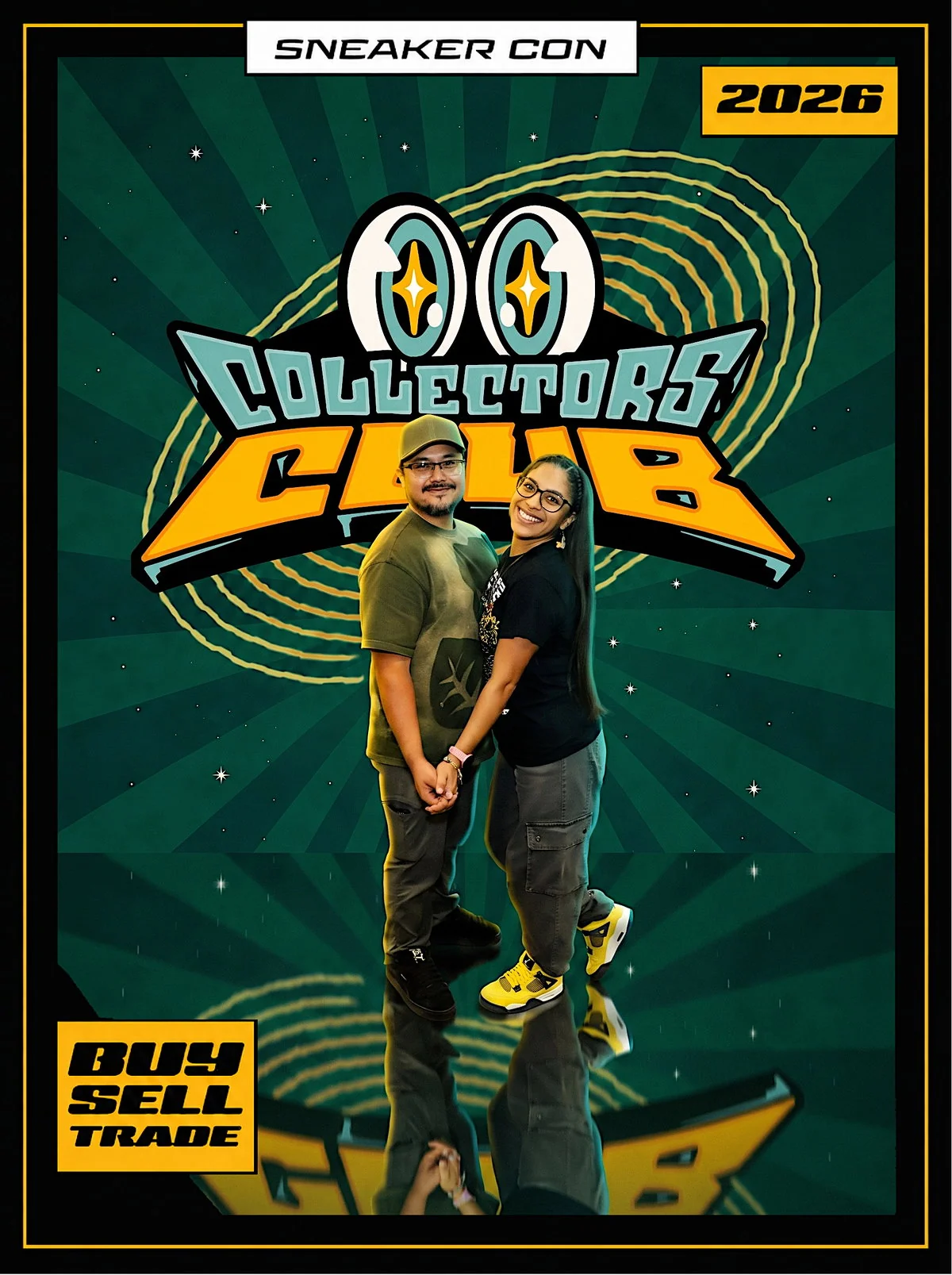
An AI portrait, a trading card and a cinematic AI film offer different rewards. Cards introduce a collectible layout with names and graphic details where included in the agreed design. A portrait gives the artwork more room to breathe. Cinematic AI Video extends the approved portrait into a film workflow. Decide what guests receive and whether the output is digital, printed or both. Processing and delivery expectations should be confirmed for the chosen format.
Think like a card designer
A good trading card is readable at card size. Give the portrait a clear focal point, keep decorative information purposeful and leave the brand room to look intentional. Review the front and any agreed reverse artwork together. A custom card does not always need an AI transformation; conventional capture with strong design can be the right answer. Compare GenAI Trading Cards and Custom Trading Cards around the creative objective, not a vague preference for newer technology.
Use real examples to brief the next world
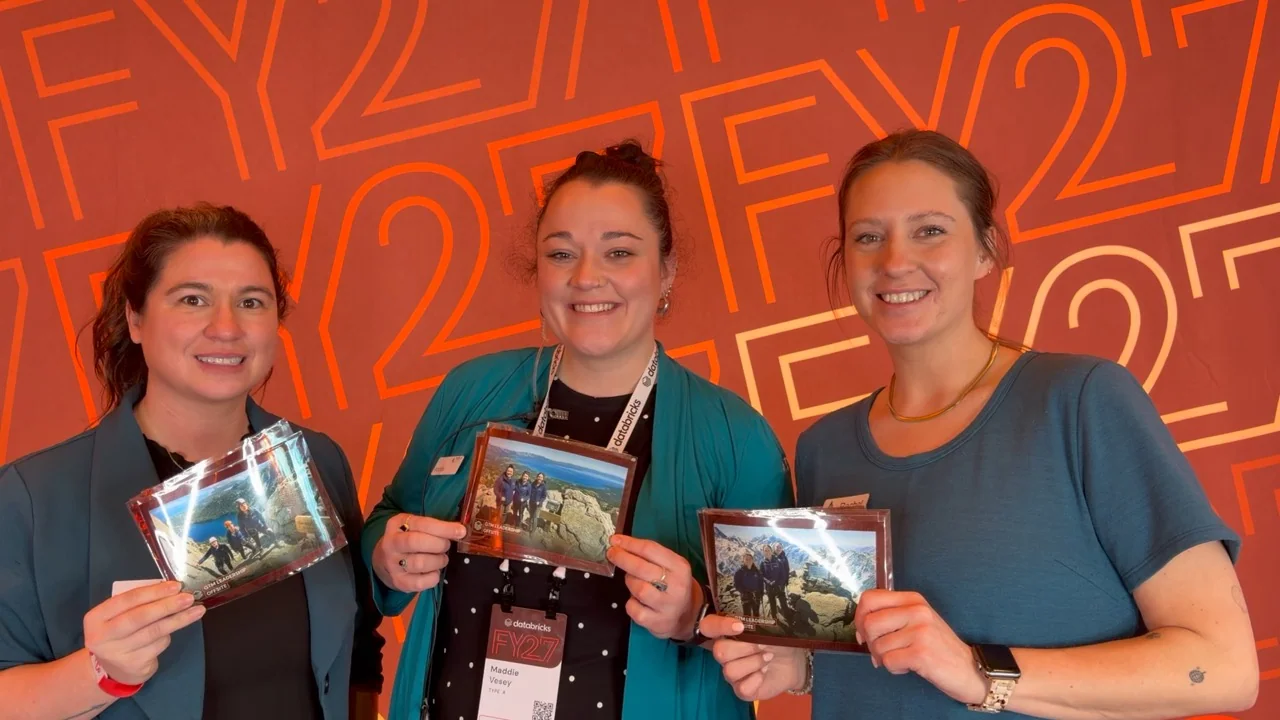
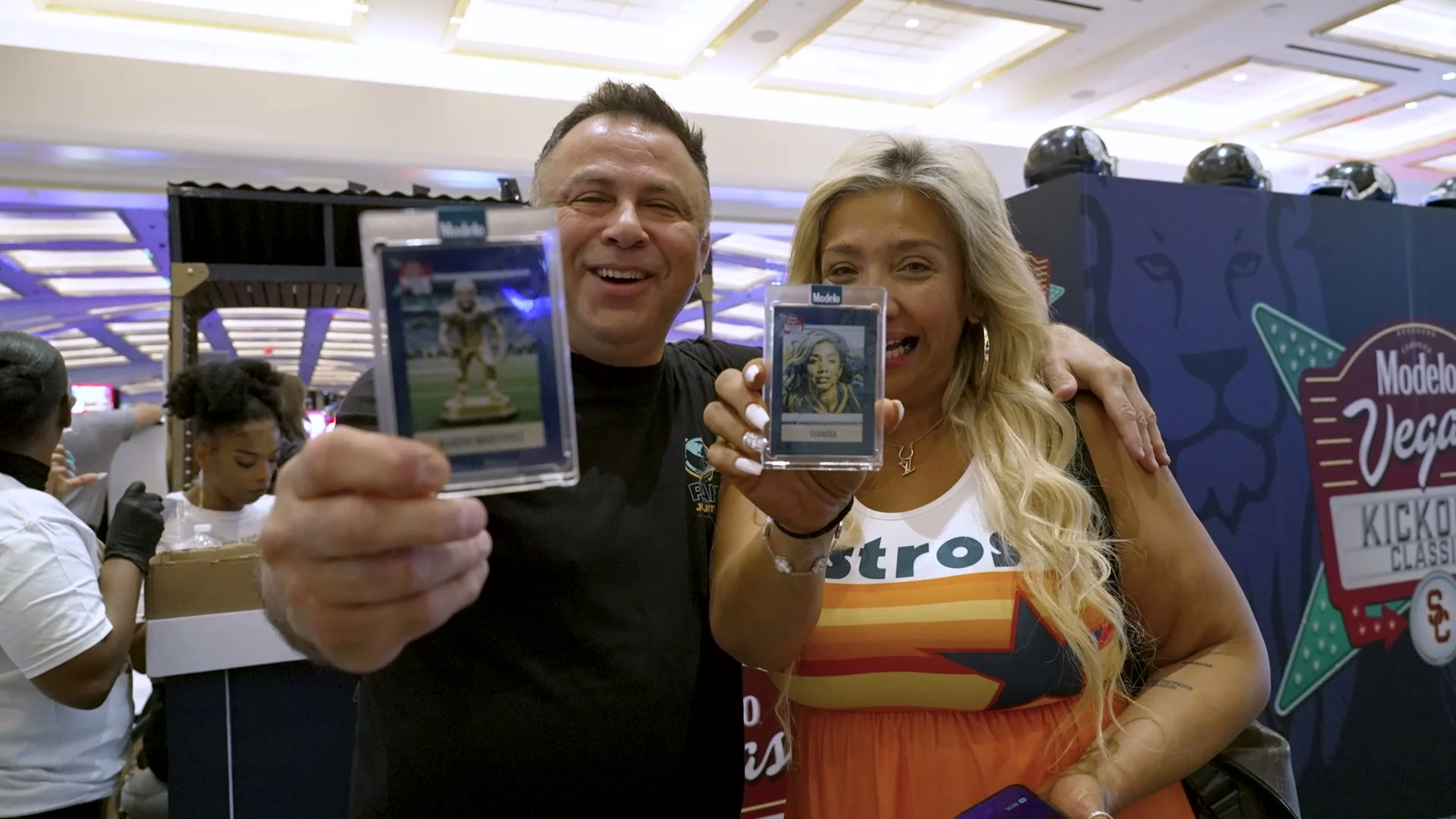
BoothMeUp's trading-card portfolio includes Modelo, OpenText and Databricks examples. Their value is seeing how different creative contexts can shape a personal output, not treating any one event as a guaranteed result for the next. Discuss image permissions, guest information, approved names and retention before capture. Choose examples close to your intended direction and ask the producer to explain which elements can be adapted for your campaign.
Questions worth asking
Do custom trading cards have to use AI?
No. Conventional portraits and an intentionally designed card can deliver the collectible idea. AI transformation is a separate creative choice.