
















The making is part of the memory
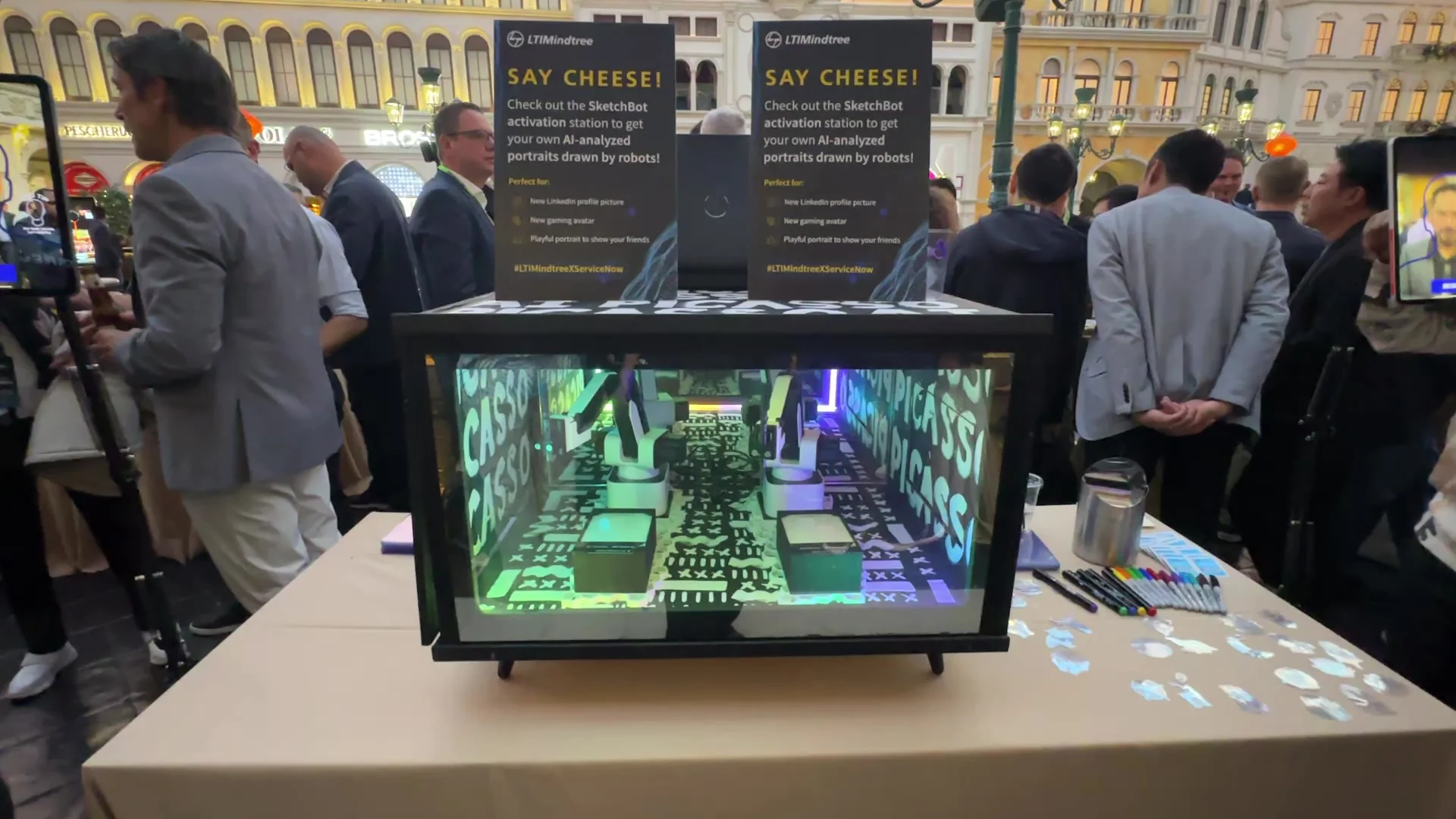
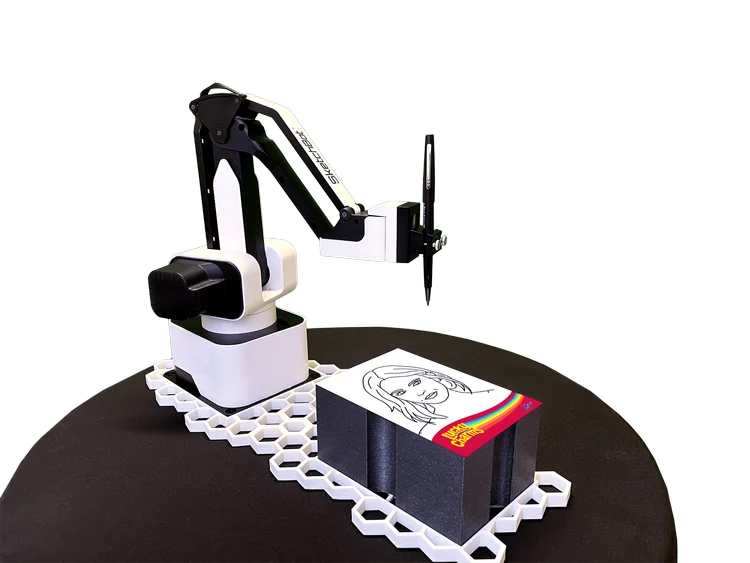
A finished portrait is personal. Watching it take shape gives the surrounding room something to share. Live sketching introduces a visible process that guests can follow without reading a long explanation. Place the drawing where observers can enjoy it without crowding the operator. The invitation can be wonderfully simple: become the portrait. Then let the host guide the capture and the guest enjoy seeing the work appear.
Approve the drawing style at its real size
Line weight, facial detail, contrast and the surrounding layout all change how a sketch feels. Review the proposed style on the intended output, not only as a large screen preview. A clean portrait needs enough definition to read clearly without turning every detail into noise. Discuss whether the program centers on a physical drawing, a digital treatment or a combination. Those are related creative possibilities with different delivery requirements.
Keep branding close to the keepsake
A campaign can appear through an intentional frame, title or approved artwork around the portrait. Protect the face as the main subject. Overcrowding the output with messages can make it less desirable to keep or display. Ask for a complete sample that shows the guest art and brand treatment together. If a digital animated sketch is part of the plan, review its motion and branding as a separate finished deliverable.
Give every stage a place
Capture, processing, drawing and pickup are distinct stages. Discuss their order with the producer and make the next step obvious for guests. People waiting for a portrait should not obstruct the next capture. Actual timing depends on the approved configuration, so request a production estimate for your program rather than relying on an unrelated event's pace. Visible examples and clear hosting can make waiting feel like part of the experience.
Choose a robot for the role it plays
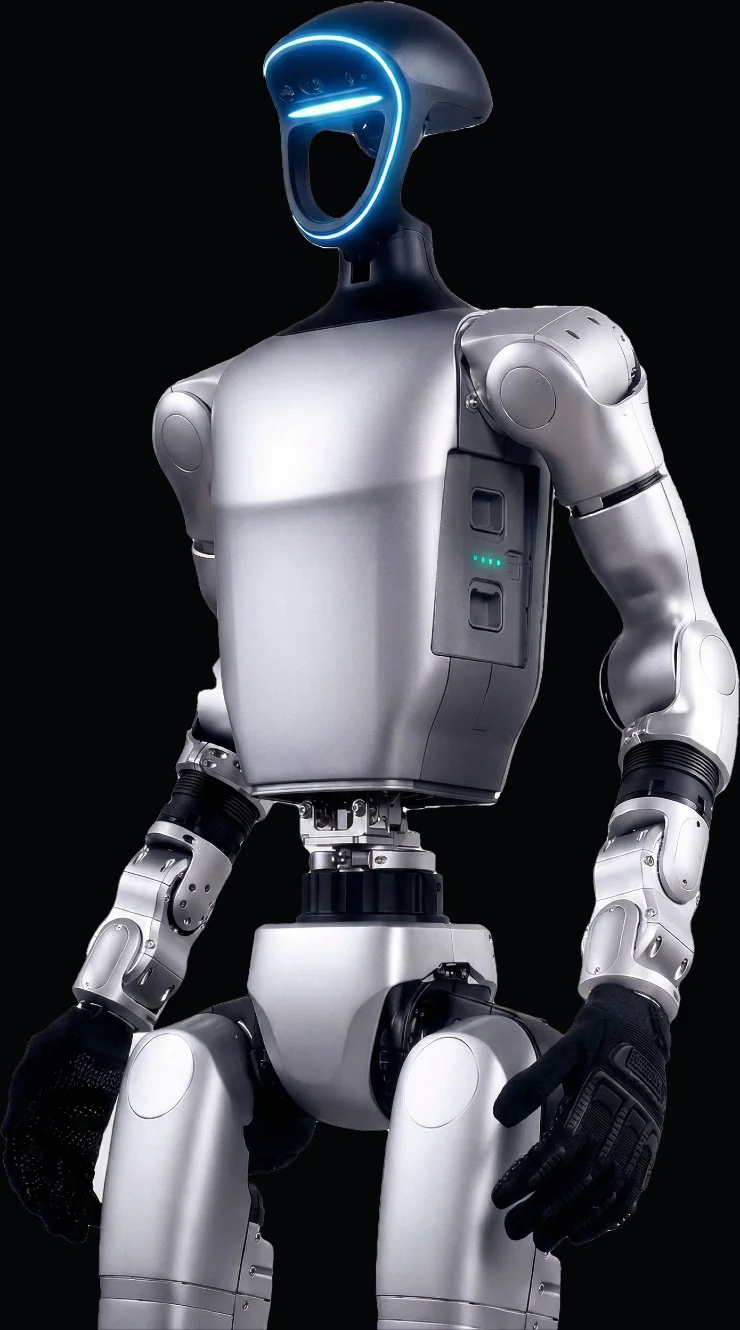
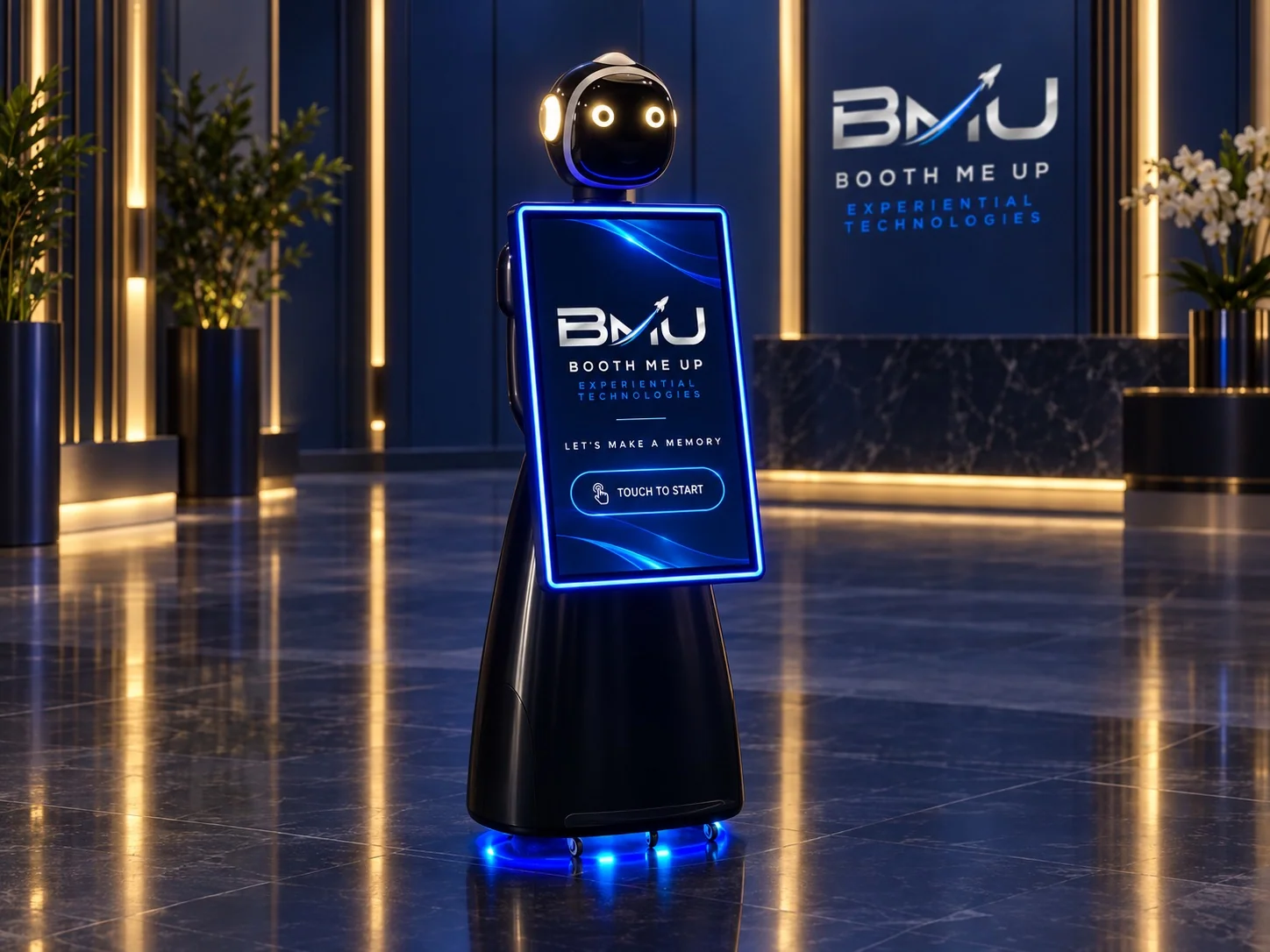
A sketch robot, roaming photo robot and humanoid event robot offer different interactions. A robot does not need to do everything to be compelling. Picasso AI Sketch Robot focuses the moment around a personal portrait; SnapBot makes capture part of a moving encounter. Compare those guest journeys before specifying hardware. The strongest event technology feels purposeful because the visitor knows exactly what they are invited to do.
Questions worth asking
Is every AI sketch output a physical robot drawing?
No. Physical robotic drawing and digital sketch treatments are different deliverables. Confirm the exact format, branding and delivery workflow for the activation.